
Recycled Electrons
Mental Toxic Waste Spill
Index
Trump is Actually a Hopeful SignAmerican Caligula
Alternate Realiity
Bezos Thinks He 's Trump Now
The Language of Lunacy
Immortality
Antifa is STILL right
Stupid is Dead ... Eventually
'"Rain" of Terror'
The Fourth Of July, Rethought
The Reign of Terror has Begun
Emergency Management in a Dying Country
One Hundred Daze
Crackheads
Another Blow Against the Citizens
Index of All Posts
About the Author
Privacy Statement
Login
Create Account
Rap Music
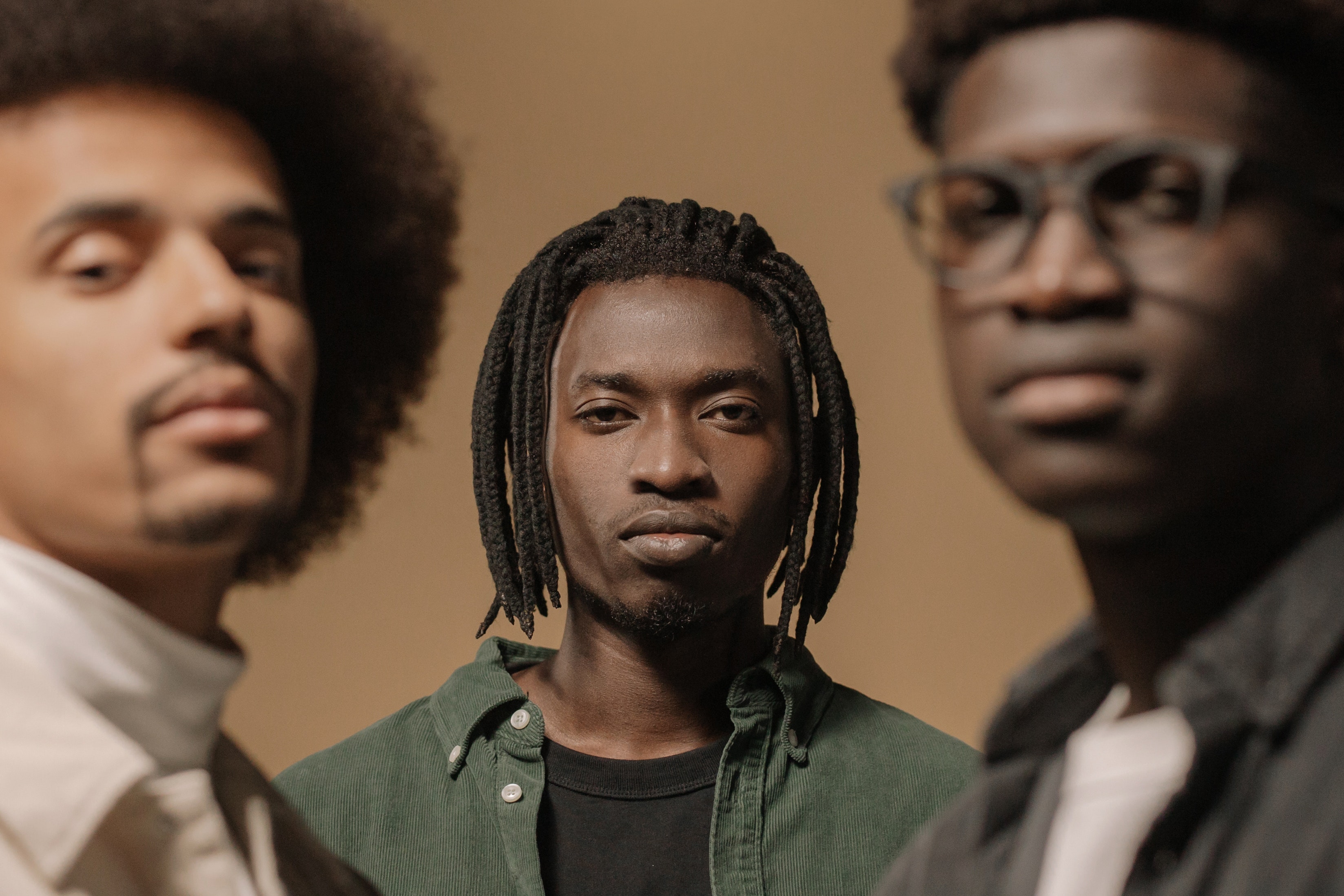
Old hatreds leave their scars
As an old white man, I grew up before “Urban Contemporary” music existed. The music I grew up with and still love is now derisively referred to as “Yacht Rock,” done by lily-white artists with no rap experience or sensibilities. I was in no way ready for rap.
The city and suburbs where I grew up had court-ordered busing. The school system was required to compensate for the segregation of the populace by busing blacks into predominantly white neighborhood schools and vice versa. It was a brute force approach to desegregating schools, made necessary by the late 60s and early 70s growth of “white flight” suburbs. The newly middle-class whites used their improved economic conditions to segregate themselves further away from the poor (black) neighborhoods than they had been after World War II.
Busing was a response to de-facto apartheid. It forced all but the wealthiest private-school white kids to at least become familiar with their black neighbors, but it didn’t create much in the way of peaceful coexistence. I was in a public high school in a white-flight area when it started. The incoming blacks had huge chips on their shoulders and felt they had to prove themselves - these were teenagers, remember - and they resented being in the poor minority. I can’t say I blamed them for resenting it - I would have, too. Unfortunately, some, if not most, of the whites returned the sentiment.
Blacks hadn’t benefited much from the 60s civil rights movement, at least not like the white folks thought they did. The civil rights movement mainly salved the rich whites’ consciences, allowing them the illusion that racism had been dealt with. The Black community obviously didn’t see it that way1, and their anger was evident in their protest music, which became known as rap. It was new and upcoming among these already-resentful kids, with anger and resentment against whites (well, anyone in authority, but that was always whites to them) the only real theme. As a member of the white majority, I was the obvious target of this anger and resentment, and the “Fuck you, white boy” emphasis of all of it cut into me hard. I didn’t resent these people for anything, but they resented the shit out of me.
My kids grew up in a far more integrated neighborhood and school system than I did. Rap music was just one of the popular genres of music they listened to - the dominant tunes in this town were and are country of the commercial Nashville variety, which owes as much to rock and disco as to what we called country when I was growing up. I still detest it in either form, old or new. My kids knew I hated country from day one, but they never understood my disgust with rap. That goes back to high school and busing.
To this day, some 45 or so years later, the anger and hatred I felt in the halls of high school punches me in the gut again every time I hear something even vaguely rap-ish. The message of the music and the looks in the eyes of those playing it plainly said “I hate you, white motherfucker,” so I really have no interest in spending enough time with the form to learn to appreciate its finer points. The hatred was too much.
Footnotes:
- Jamelle Bouie has written a clear explanation of this: Let’s talk about the economic roots of white supremacy
Posted: September 25, 2022, 14:47
Last Modified: February 02, 2023, 12:09